Kiyomizu Kyoami
Try the shop’s signature yatsuhashi cream puff, with coffee for a short break.
2.5 hours · Including lunch
Stop order · Not a street map
Drop-off · Start here
Temple visit
Traditional shopping street
Photo stop
Continue through the historic streets
Approach via the stone torii gate
Leave the shrine here
Continue towards the meeting point
Meeting point
This route is a suggestion; feel free to choose your own stops, while returning to the agreed meeting point on time. Use Google Maps for street directions between stops. The 2.5-hour visit includes walking, sightseeing and lunch; choose your stops according to the time available.
Open the walking route in Google MapsAcross from Yasaka Shrine’s West Gate.
This is the Kyoto Gion Hotel store. Check the name before heading to the meeting point.
A few worthwhile stops along your walk. Choose one lunch stop and one treat to keep within your 2.5-hour visit.
Try the shop’s signature yatsuhashi cream puff, with coffee for a short break.
A small traditional stop for red-bean sweets such as zenzai or ohagi.
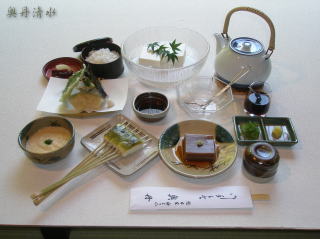
A Kyoto yudofu restaurant serving warm tofu meals. Best if you have time for a seated lunch; check availability before committing to a queue.
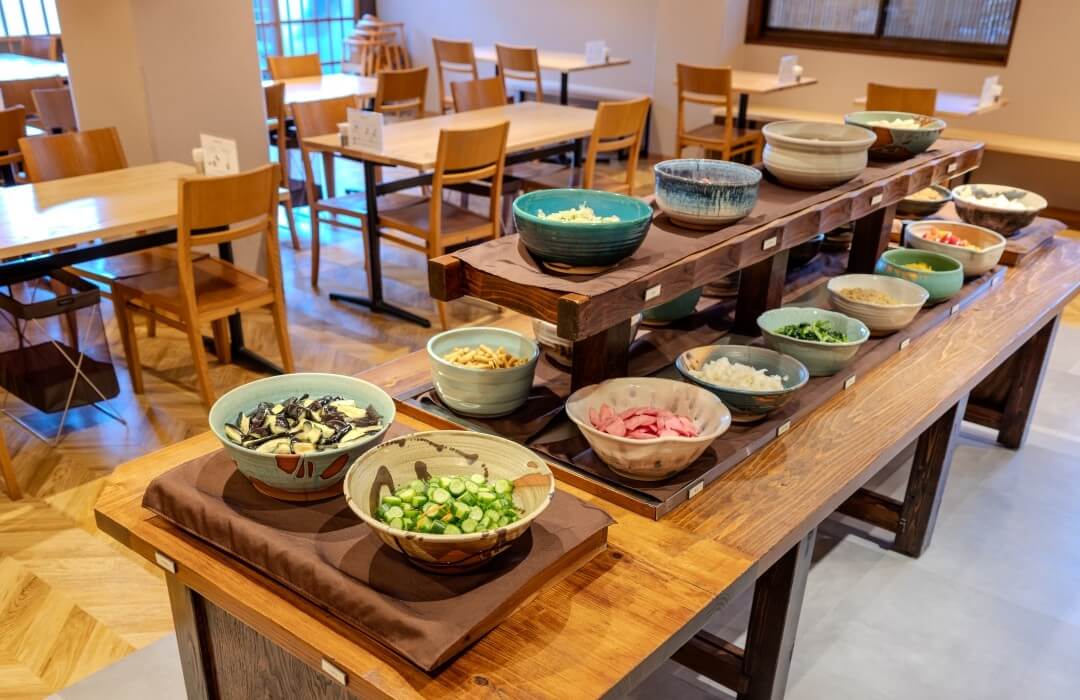
All-you-can-eat Japanese pickles and rice, which you can enjoy as ochazuke with tea. This is a pickle buffet, rather than a fresh-vegetable buffet.
Warm tofu and yuba (tofu skin) dishes, with several meal options.
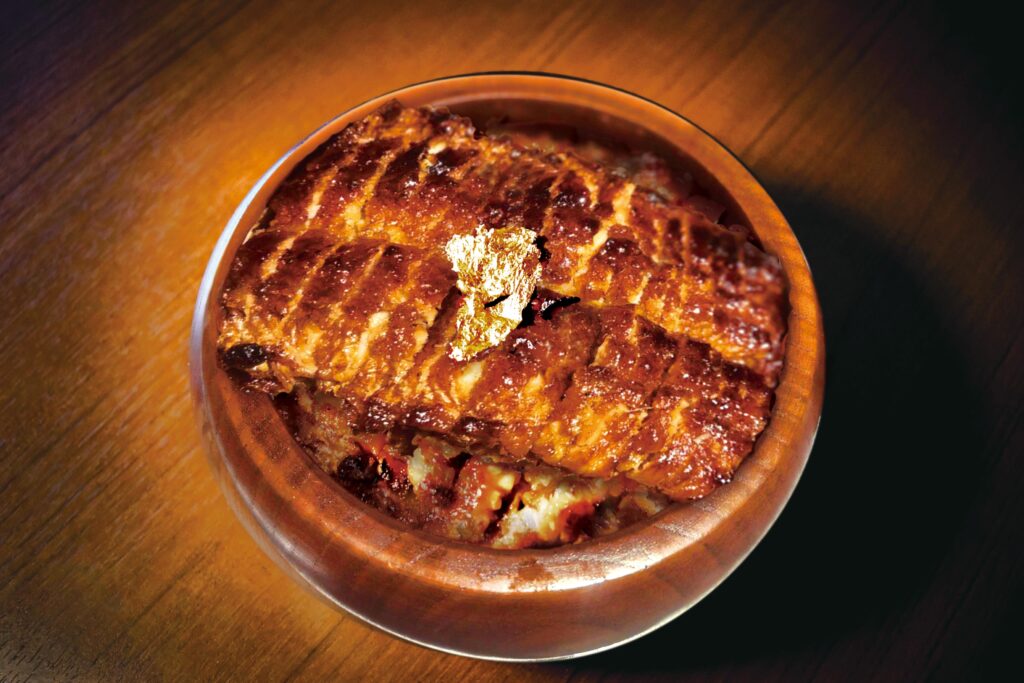
Grilled eel over rice and hitsumabushi-style meals. Check the current menu before visiting.
Breaded beef cutlet served as a set meal. Check the location before choosing this stop, as it may require a detour.
Popular restaurants may have queues. Allow time for both waiting and eating within your 2.5-hour visit, and check the wait before joining a queue. If time is short, choose another option and return to the agreed meeting point on time. Check current menus and opening hours directly with each restaurant.
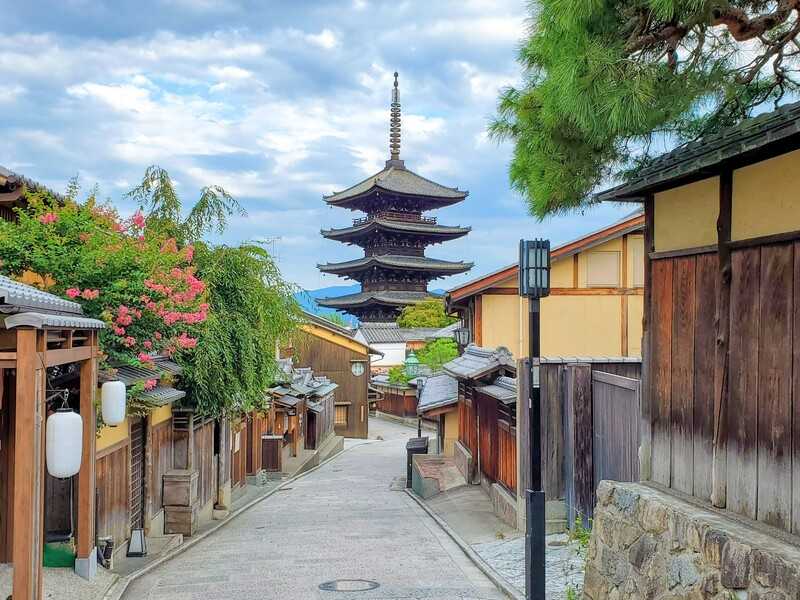
Frame the five-storey pagoda from the public street around Yasaka-dori. Keep doorways and the road clear.
Stone steps and traditional wooden shopfronts. Move aside to take photos rather than stopping in the middle of the steps.
The vermilion gate makes a clear landmark near the end of your walk. The meeting-point Starbucks is across the road.
Stay clear of steps and traffic when taking photos. In Gion, follow photography signs, keep out of private lanes and do not stop or photograph geiko or maiko without permission.
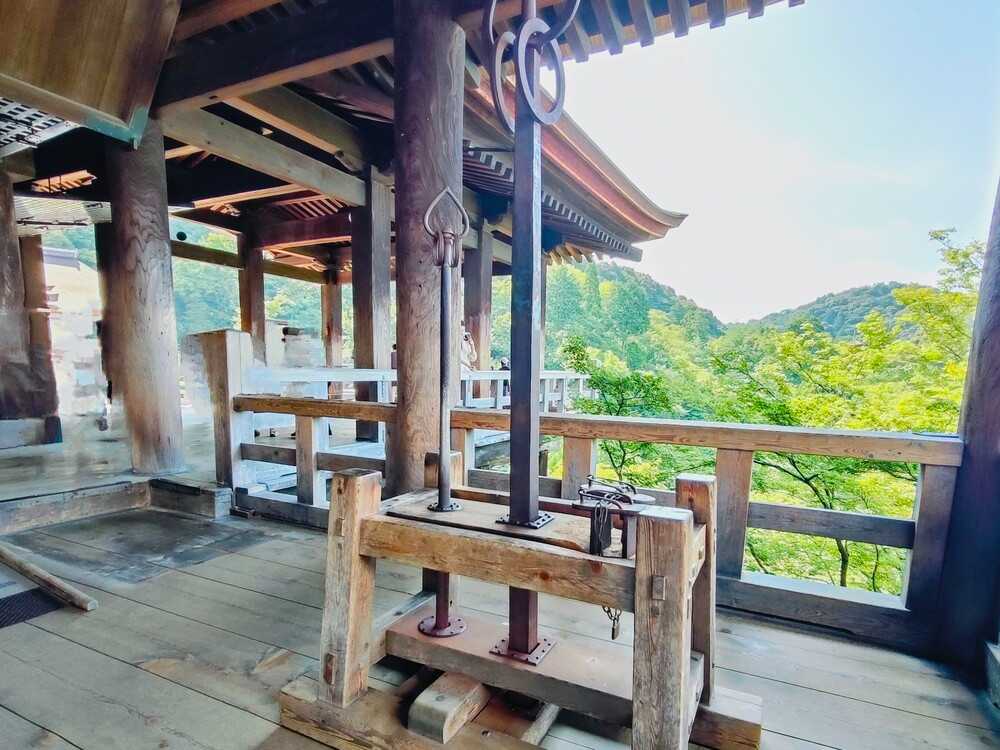
Look for the large iron Buddhist staff (shakujo) and iron geta clogs near the Main Hall. Often associated with the legendary warrior monk Benkei, they are also said to have been offered by ascetics in thanks for fulfilled prayers. Treat the Benkei connection as a legend and follow any instructions beside the display.
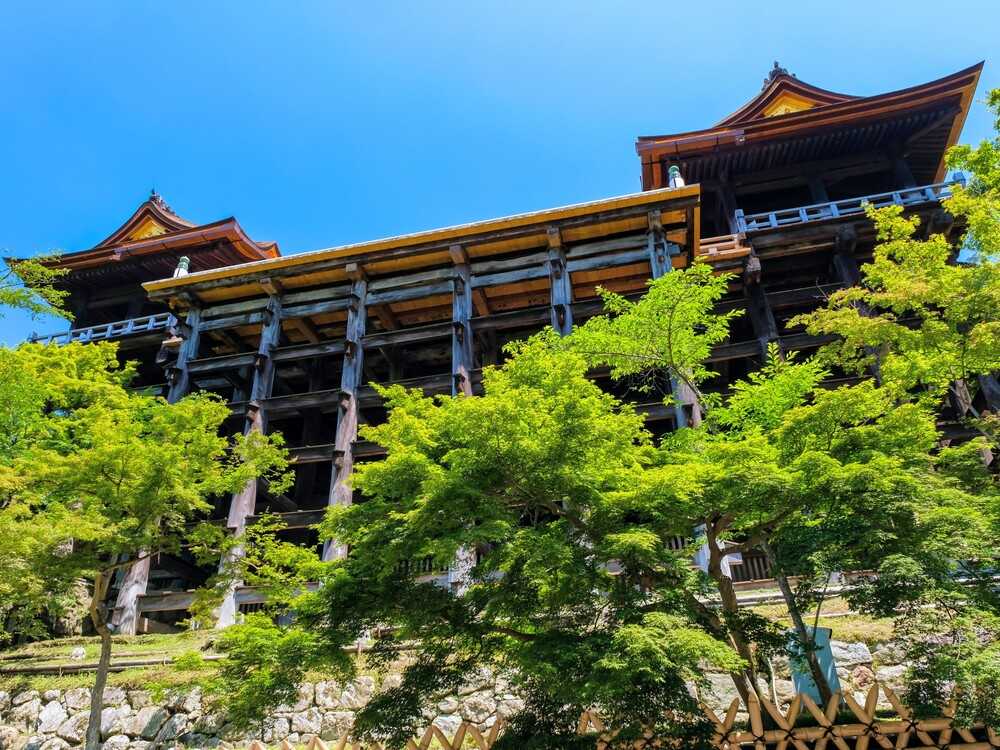
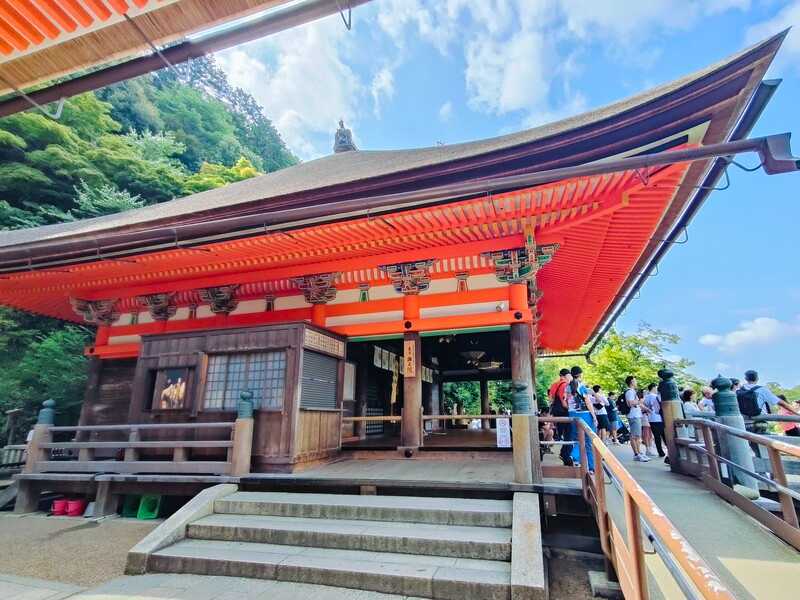
The wooden stage stands about 13 metres above the valley, supported by 18 large pillars. The supporting framework uses interlocking timber joints rather than nails. For the classic view of the stage and hillside, look back from the Okuno-in Hall area.
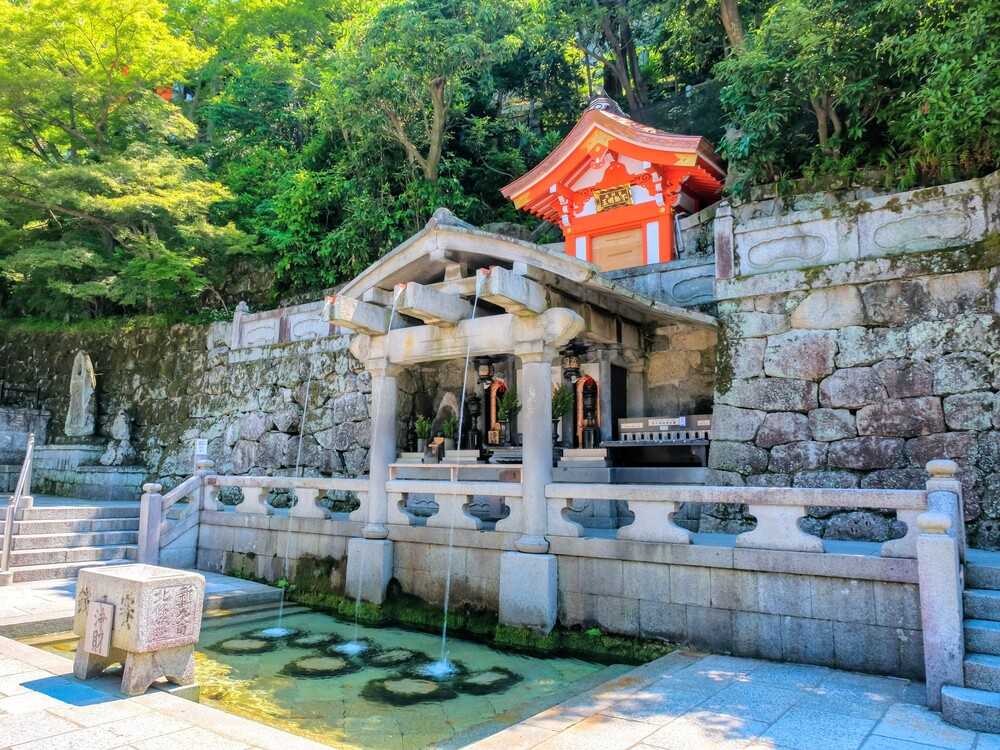
The waterfall gave Kiyomizu-dera its name. Visitors draw water from its three streams to pray for purification and the fulfilment of wishes. The temple recommends taking water from any one stream after praying; its guidance does not assign separate streams to health, love and study. Follow the current instructions at the site.
The Main Hall’s wooden stage appears in Detective Conan’s The Scarlet School Trip (episodes 927–928). Look for the stage and its railings during your visit. The photos below show the real temple; the exact camera angle may differ from the animation. Take photos without blocking other visitors.
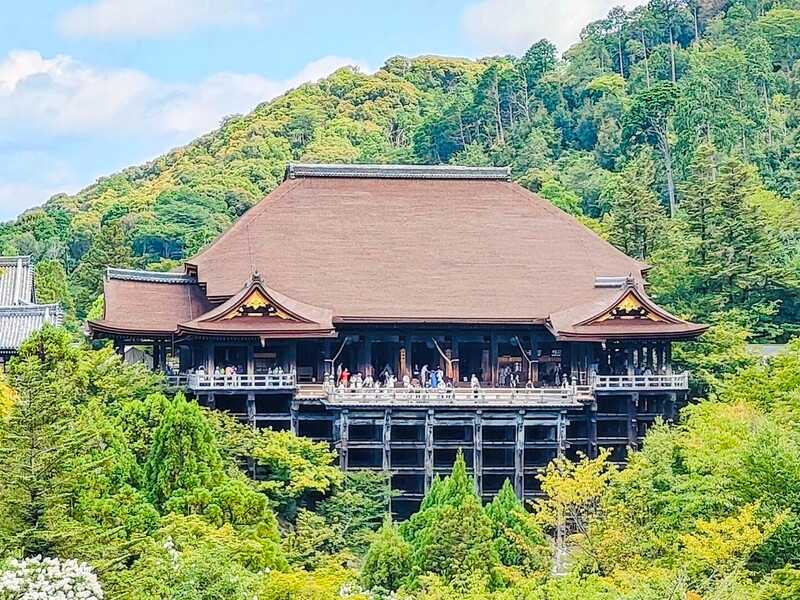
Sources: Kiyomizu-dera official guide · The temple’s stage introduction.
Browse as you approach your meeting point. Keep lunch, walking and sightseeing within the planned 2.5 hours.
The stone torii on the southern approach dates to 1646 and was repaired in 1666 after an earthquake. It is an Important Cultural Property. The south gate is the formal entrance; the west gate faces Shijo-dori and leads toward Gion and this route’s meeting point.
The dance pavilion hosts offerings and performances. Many lanterns were donated by nearby ochaya, geiko houses and restaurants. Look at the names in daylight; the lanterns are illuminated at night.
Gion Kobu flourished as a teahouse quarter outside Yasaka Shrine during the Edo period. It developed into a district associated with geiko, maiko and traditional performing arts. Today, ordinary restaurants and cafés also share these streets.
An ochaya hosts private gatherings and arranges geiko and maiko performances, conversation, food and drinks. It is different from a café serving matcha. Many traditional establishments require an introduction and advance arrangements.
At the corner of Shijo-dori and Hanamikoji, Ichiriki-tei is known for its red walls and its connection with the kabuki play Kanadehon Chushingura. Admire the exterior from the public street. This is a cultural stop, not an invitation to enter or a promise of access.
Ichiriki-tei is toward Hanamikoji, not the designated pickup point. If time is short, return directly to the agreed point near Starbucks Kyoto Gion Hotel. Do not follow geiko or maiko; respect photography signs and private streets.
Sources: 八坂神社 · 八坂神社の建造物 · 京の五花街 · 京都府旅館ホテル組合 · 一力亭・祇園商店街
Optional places to browse along the temple approach. Choose what you like and keep an eye on your meeting time.
For Kyoto sweets: browse yatsuhashi and nama-yatsuhashi. Check flavours and use-by dates, especially when taking fresh sweets home.
For a savoury gift: shichimi spice blends and sansho. The main shop is where Kiyomizu-zaka meets Sannenzaka.
For tea-flavoured sweets: look for Cha no Ka biscuits and the Kiyomizuzaka shop’s special packaging. Check current availability at the shop.